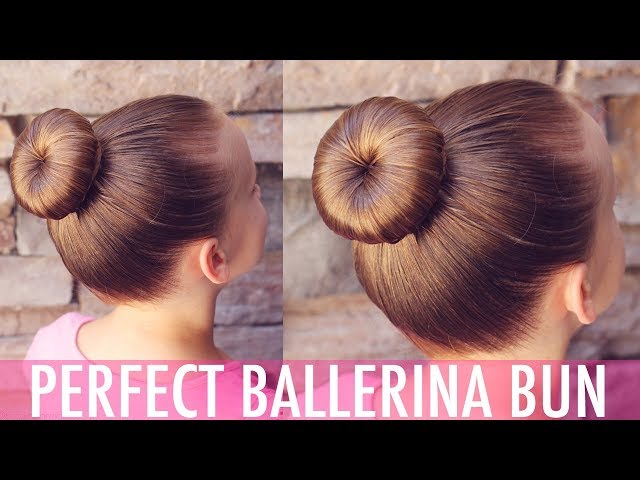
Ballerina hair, an elegant updo, is characterised by its smooth, sleek shape and tightly coiled buns positioned atop the head, resembling the classic ballet bun. The ballerina bun epitomises grace and poise, synonymous with the discipline and artistry of ballet.
Ballerina hair is not only a practical choice for dancers, keeping hair out of their faces during performances, but it also embodies the essence of ballet, enhancing the lines and movements of the dance. Historically, the ballerina bun has evolved from the elaborate hairstyles of the Romantic era to the more refined chignons of the 20th century.
In this article, we will explore the techniques for creating a ballerina bun, discuss the various styles and accessories used, and examine the cultural significance of this iconic hairstyle.
ballerina hair
Ballerina hair, an iconic hairstyle, embodies the grace and elegance of ballet. Understanding its essential aspects provides insight into its cultural significance and practical applications.
- Aesthetics: Sleek, polished, and visually striking.
- Function: Keeps hair out of the face, enhancing movement.
- Symbolism: Represents discipline, dedication, and artistry.
- History: Evolved from elaborate 19th-century styles to refined 20th-century chignons.
- Variations: Diverse styles exist, from classical buns to modern interpretations.
These aspects intertwine to create a hairstyle that is both beautiful and functional. The ballerina bun frames the face, accentuating the dancer's features and enhancing the lines of their body. Its history reflects the evolution of ballet itself, from its Romantic origins to its contemporary expressions. The variations in bun styles allow dancers to express their individual personalities and complement the choreography of their performances.
Aesthetics
When it comes to ballerina hair, aesthetics play a crucial role. Its sleekness, polish, and visually striking appearance contribute to the overall elegance and grace associated with ballet.
- Smooth Texture: Ballerina hair is meticulously brushed and styled to achieve a smooth, glass-like texture. This reflects the discipline and attention to detail required in ballet, where every movement is executed with precision.
- Tight Coils: The tightly coiled buns, often positioned high on the head, create a visually striking focal point. They accentuate the dancer's facial features and enhance the lines of their body, drawing the audience's attention to their movements.
- Shiny Finish: The hair is often treated with products or oils to achieve a shiny finish, which reflects light and adds to the overall polished look. This creates a sense of glamour and sophistication, befitting the stage.
- Minimal Adornment: Ballerina hair is typically adorned with minimal accessories, allowing the sleek lines and shape of the bun to take center stage. This simplicity reinforces the idea of understated elegance and complements the dancer's costume.
The aesthetic qualities of ballerina hair work in harmony to create a hairstyle that is both beautiful and functional. It enhances the dancer's performance by keeping hair out of the face and highlighting their movements, while also embodying the grace and artistry of ballet.
Function
The functional aspect of ballerina hair lies in its ability to keep hair out of the face, allowing dancers to move freely and execute complex routines without distractions. This function is achieved through a combination of techniques and considerations.
- Secure Hold: The ballerina bun is designed to hold securely in place, even during vigorous movements. This is achieved through the use of hairspray, bobby pins, and other styling products, ensuring that the hair stays in place throughout the performance.
- Reduced Distractions: Loose hair can be a distraction for dancers, particularly when performing intricate footwork or leaps. By keeping hair out of the face, the ballerina bun allows dancers to focus on their performance without worrying about hair getting in their eyes or becoming tangled.
- Enhanced Lines: A sleek ballerina bun creates a clean and defined line from the neck to the crown of the head. This enhances the dancer's overall appearance and complements the lines of their body, making their movements appear more graceful and fluid.
- Practicality for Rehearsals and Performances: The ballerina bun is not only suitable for performances but also for rehearsals. It keeps hair out of the way duringallowing dancers to focus on technique and choreography without the added distraction of loose hair.
Overall, the functional aspect of ballerina hair is essential for the dancer's performance. By keeping hair out of the face and enhancing movement, the ballerina bun enables dancers to execute their routines with confidence and grace.
Symbolism
Ballerina hair is more than just a hairstyle; it embodies the very essence of ballet, symbolizing the discipline, dedication, and artistry that are fundamental to this demanding art form. From the meticulous preparation to the graceful execution of each movement, ballerina hair is a tangible representation of a dancer's commitment to their craft.
- Discipline: The ballerina bun requires patience, precision, and attention to detail to achieve its sleek and polished look. This reflects the rigorous training and unwavering focus that dancers must possess to excel in ballet.
- Dedication: Ballerina hair is often styled hours before a performance, demonstrating the dedication and sacrifice that dancers make to their art. It is a symbol of their commitment to excellence and their willingness to go the extra mile.
- Artistry: The ballerina bun is not merely a functional hairstyle; it is an artistic expression in itself. Its shape, placement, and embellishments can vary depending on the dancer and the choreography, adding a touch of individuality and grace to each performance.
- Tradition: Ballerina hair has a rich history, dating back to the early days of ballet. It has evolved over time, but it remains an iconic symbol of the art form, connecting dancers to their predecessors and to the legacy of ballet itself.
The symbolism of ballerina hair extends beyond the stage. It is a reminder of the hard work, dedication, and artistry that go into every ballet performance. Whether seen in the studio, on stage, or in everyday life, ballerina hair is a powerful symbol of the enduring spirit of ballet.
History
The evolution of ballerina hair from elaborate 19th-century styles to refined 20th-century chignons is intricately tied to the development of ballet itself. In the early days of ballet, hairstyles were often elaborate and ornate, reflecting the Romantic era's emphasis on grandeur and spectacle. Dancers wore their hair in elaborate buns adorned with flowers, feathers, and other embellishments.
As ballet transitioned into the 20th century, the focus shifted towards greater purity of line and movement. This was reflected in the evolution of ballerina hair, which became more refined and streamlined. Dancers began to favor sleek buns placed high on the head, creating a clean and elegant silhouette that complemented the increasingly athletic and technical demands of ballet.
Real-life examples of the evolution of ballerina hair can be seen in the hairstyles of iconic dancers throughout history. In the 19th century, ballerinas such as Marie Taglioni and Fanny Elssler were known for their elaborate coiffures, while 20th-century dancers such as Anna Pavlova and Margot Fonteyn popularized the more refined chignon. Today, ballerina hair continues to evolve, with dancers experimenting with variations on the classic bun, such as loose buns, braided buns, and buns adorned with hair accessories.
Understanding the history of ballerina hair provides a deeper appreciation for the artistry and evolution of ballet. It highlights the symbiotic relationship between the hairstyle and the dance form, and demonstrates how ballerina hair has adapted to meet the changing needs of ballet over time.
Variations
The world of ballerina hair is not confined to a single, rigid style. Instead, it encompasses a spectrum of variations, each with its unique characteristics and purpose, reflecting the diversity and evolution of ballet itself.
- Classical Buns: The epitome of ballerina hair, the classical bun is a tightly coiled, low-set bun positioned at the nape of the neck, exuding timeless elegance and grace.
- Modern Interpretations: Contemporary dancers have reimagined the ballerina bun, experimenting with looser, more fluid styles, such as the messy bun, the braided bun, and the deconstructed bun, adding a touch of modernity to the traditional form.
- Cultural Influences: Ballerina hair has also been influenced by diverse cultures, incorporating elements such as the Chinese fan bun and the Japanese shimada, showcasing the global reach and adaptability of the art form.
- Personal Expression: Beyond their functional purpose, ballerina buns have become a means of personal expression for dancers, allowing them to showcase their individuality and creativity through unique embellishments, hair accessories, and variations in shape and placement.
These variations in ballerina hair not only add visual interest and diversity to the stage but also reflect the evolving nature of ballet, where tradition meets innovation, and dancers continue to push the boundaries of artistic expression.
Frequently Asked Questions about Ballerina Hair
This FAQ section aims to address common queries and provide clarity on various aspects of ballerina hair, helping readers delve deeper into its intricacies.
Question 1: What is the purpose of ballerina hair?
Answer: Ballerina hair serves both functional and aesthetic purposes. It keeps hair out of the dancer's face during performances, enhancing movement and preventing distractions. Additionally, it embodies the grace and elegance associated with ballet, complementing the lines and movements of the dance.
Question 2: How is ballerina hair typically styled?
Answer: Ballerina hair is typically styled into a sleek, tightly coiled bun positioned at the nape of the neck or high on the head. Hair is meticulously brushed and secured with hairspray, bobby pins, and other styling products to achieve a smooth, polished look.
Question 3: Are there different variations of ballerina hair?
Answer: Yes, there are various styles of ballerina hair, ranging from classical buns to modern interpretations. Dancers may opt for loose buns, braided buns, or deconstructed buns, incorporating personal touches and cultural influences to express their individuality.
Question 4: What are the benefits of wearing ballerina hair?
Answer: Ballerina hair offers practical benefits by keeping hair out of the face and enhancing movement. It also symbolizes the discipline, dedication, and artistry associated with ballet, fostering a sense of tradition and connection to the art form's heritage.
Question 5: How has ballerina hair evolved over time?
Answer: Ballerina hair has evolved from the elaborate coiffures of the Romantic era to the refined chignons of the 20th century, reflecting the changing aesthetics and technical demands of ballet. Today, dancers continue to experiment with variations on the classic bun, blending tradition with modernity.
Question 6: What are some tips for achieving a successful ballerina bun?
Answer: To achieve a successful ballerina bun, start with clean, brushed hair. Use a generous amount of hairspray and bobby pins to secure the bun tightly. Practice regularly to develop the skill and find the most flattering style for your face shape and hair type.
These FAQs provide insights into the purpose, styling, variations, benefits, history, and techniques of ballerina hair. By understanding these aspects, readers can appreciate the artistry, functionality, and cultural significance of this iconic hairstyle.
In the next section, we will delve deeper into the techniques for creating a ballerina bun, exploring step-by-step instructions and tips to achieve a polished and elegant look.
Tips for Creating a Flawless Ballerina Bun
Mastering the art of ballerina hair requires practice and attention to detail. Here are some tips to help you achieve a polished and elegant look:
Tip 1: Start with Clean, Brushed Hair: Begin with freshly washed and thoroughly detangled hair to create a smooth foundation for your bun.
Tip 2: Use Ample Hairspray and Bobby Pins: Secure your bun firmly with a generous amount of hairspray and bobby pins. Spray each section of hair before pinning it in place.
Tip 3: Practice Regularly: Achieving a perfect ballerina bun takes time and practice. Dedicate time to practice different techniques and find the style that best suits your face shape and hair type.
Tip 4: Pay Attention to Placement: The placement of your bun can significantly impact the overall look. Experiment with different positions, such as at the nape of the neck or higher on the head, to find the most flattering option.
Tip 5: Use a Bun Maker (Optional): For added volume and support, consider using a bun maker to create a fuller, more defined bun.
Tip 6: Secure Loose Ends: After forming the bun, use bobby pins to tuck in any loose strands or flyaways for a polished finish.
Tip 7: Add Hair Accessories (Optional): Enhance your bun with hair accessories such as hairpins, ribbons, or flowers to add a touch of glamour or personalization.
Remember, patience and practice are key to achieving a successful ballerina bun. By following these tips, you can master the art of this iconic hairstyle and elevate your overall dance performance.
In the next section, we will explore the significance of ballerina hair in the context of ballet and its cultural impact throughout history.
Conclusion
Ballerina hair is more than just a hairstyle; it is an embodiment of the grace, discipline, and artistry that are synonymous with ballet. Throughout history, ballerina hair has evolved alongside the art form itself, reflecting changing aesthetics and technical demands. Today, it remains an iconic symbol of ballet, representing the dedication and passion of dancers worldwide.
The key points discussed in this article highlight the multifaceted nature of ballerina hair. Firstly, its functional purpose in keeping hair out of the face during performances enhances dancers' movement and prevents distractions. Secondly, its symbolic value represents the discipline and dedication required in ballet, connecting dancers to their predecessors and the legacy of the art form. Thirdly, the diverse variations of ballerina hair, from classical buns to modern interpretations, showcase the adaptability and creativity within ballet.
Understanding ballerina hair provides a deeper appreciation for the artistry and tradition of ballet. It invites us to reflect on the enduring significance of this iconic hairstyle and its role in shaping the identity and legacy of ballet.




No comments:
Post a Comment